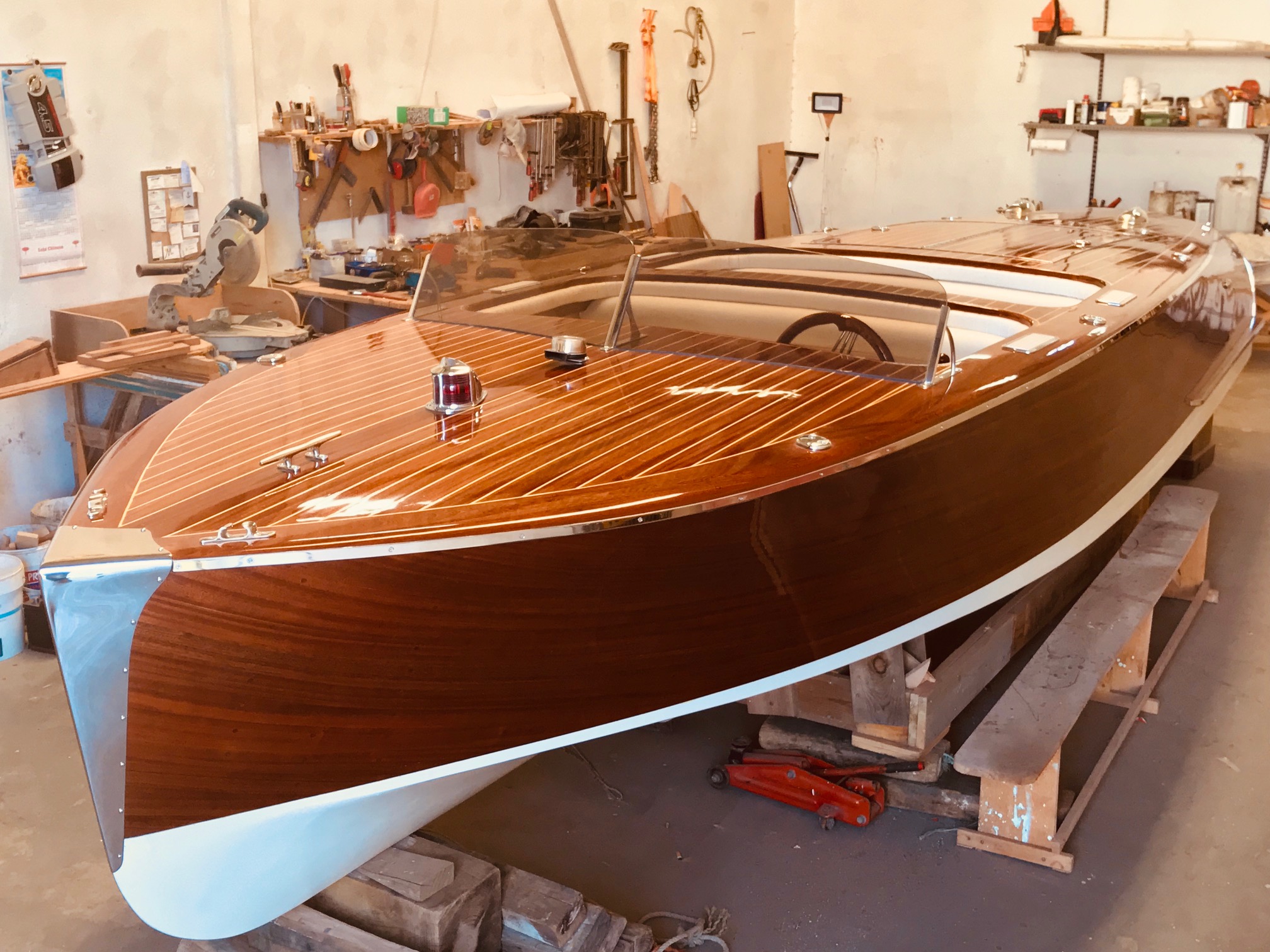
Discover easy-to-follow, free plans to build your own wooden boat from scratch.

Tuesday, January 14, 2025

Stitch & Glue Boat Plans for Crafting a Strong and Sturdy Vessel

Stitch & Glue Boat Plans for Crafting a Strong and Sturdy Vessel

Beyond the Blueprint: Unveiling the Secrets of Stitch & Glue Boatbuilding

Stitch and glue boatbuilding, a method lauded for its simplicity and efficiency, often hides subtle complexities. While countless resources detail the how, fewer explore the why and the often-overlooked nuances that separate a merely functional boat from a truly exceptional one. This article delves into those hidden depths, offering new perspectives for hobbyists, professionals, and anyone captivated by the art of boat construction.

Q&A: Unpacking the Unspoken Truths of Stitch & Glue

Q: Isn't stitch and glue just for simpler designs? Can it handle complex hulls?

A: Absolutely not! While stitch and glue excels with simpler designs, its adaptability is often underestimated. Modern epoxy resins and advanced composite techniques allow for surprisingly complex hull shapes. Think about the subtle curves of a fine sailing yacht â€" these can be achieved with careful planning and execution using stitch and glue. The key is precise pattern making and meticulous attention to detail during the stitching phase. Instead of viewing it as a limitation, consider the flexibility of the method as a creative advantage. Look beyond the typical designs and explore possibilities! We’re seeing a rise in advanced designs incorporating chines and complex curves, showing the method's true potential.

Q: What's the secret to a truly strong and durable stitch and glue joint?

A: It’s not just about the epoxy; it’s about the preparation. Many builders overlook the importance of proper wood preparation. The wood needs to be perfectly clean, dry, and free from any imperfections that could compromise the bond. Consider using a vacuum bagging system for larger projects to ensure consistent epoxy saturation and eliminate air pockets, a detail rarely emphasized in beginner guides. Recent research shows that the type of epoxy, its cure time, and even the temperature during application can dramatically impact the strength of the joint. This is an area where experimentation guided by material data sheets is key.

Q: How can I minimize wood movement and warping in my stitch and glue boat?

A: Wood movement is a constant challenge. While epoxy fills gaps, it can’t entirely prevent it. Proper wood selection (consider using marine-grade plywood with a higher resin content) and careful attention to the grain orientation during construction are critical. Furthermore, the use of fiberglass cloth on the exterior can significantly improve dimensional stability. Think about using a thicker cloth for areas prone to stress. It’s a subtle detail that greatly impacts the longevity of the vessel. Think of it as a second layer of defense against warping. And don't forget the importance of allowing the completed boat to acclimate gradually to its operating environment!

Real-World Examples: Lessons from the Build

One builder, experienced in traditional methods, recounted his initial skepticism towards stitch and glue. He built a small dinghy, expecting inferior strength. However, after rigorous testing, he was surprised by its resilience, ultimately leading him to adopt the technique for larger projects. His experience highlights the potential for innovation. He discovered that incorporating strategically placed hardwood stringers along with the plywood significantly increased the strength without sacrificing the lightweight nature of the craft. This illustrates how adapting and innovating within the stitch-and-glue framework can result in superior strength and performance.

Another builder, focusing on sustainability, experimented with using reclaimed wood, carefully treating and preparing it for stitch and glue construction. This not only reduced environmental impact but also provided a unique aesthetic. This exemplifies how creative solutions can be incorporated into the design and construction processes. This isn’t just about building a boat; it's about exploring and innovating within a framework.

Conclusion: Beyond the Plans

Stitch and glue boatbuilding offers a pathway to crafting robust and beautiful vessels. However, true mastery lies not just in following plans, but in understanding the underlying principles and embracing innovation. By carefully considering wood preparation, epoxy selection, and the incorporation of advanced techniques, builders can unlock the full potential of this versatile method. It's a testament to the enduring appeal of handcrafted boats that such a seemingly simple technique allows for such remarkable customization and ingenuity. The future of stitch and glue lies in pushing boundaries, and exploring the untapped potential for creative problem-solving within this accessible and rewarding craft.
0

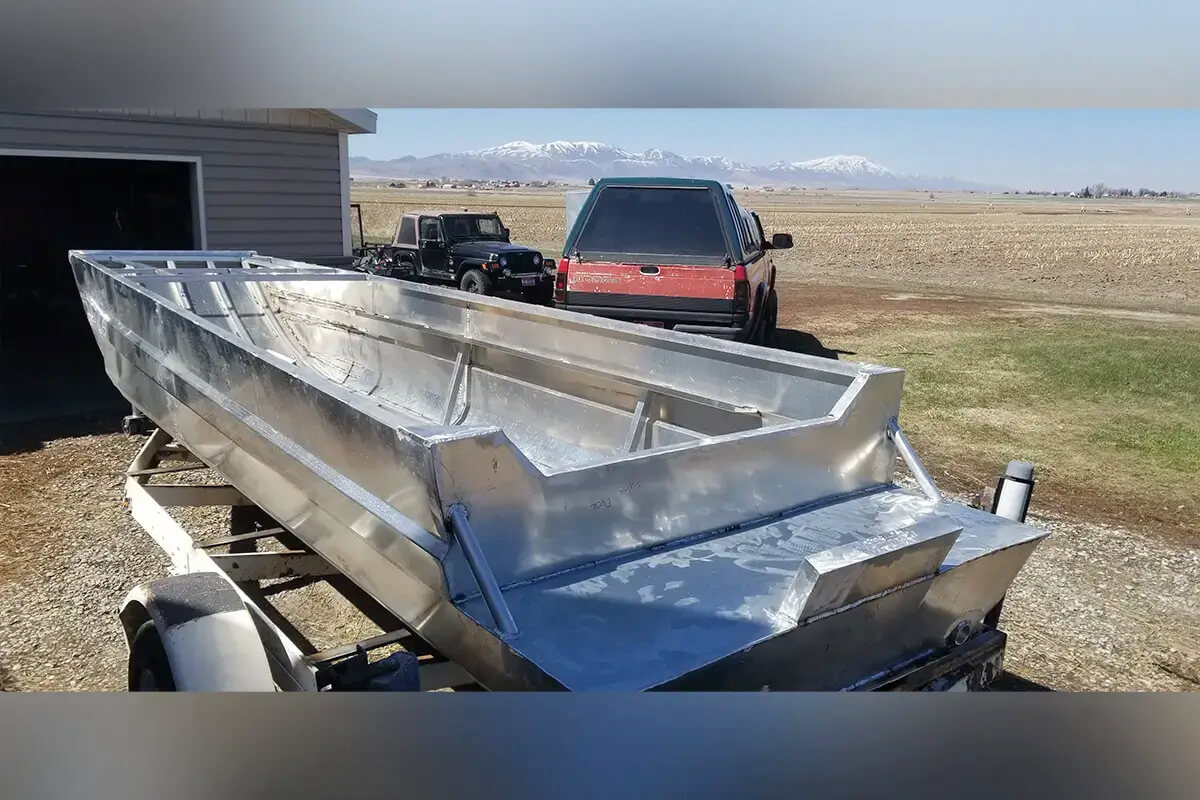
Creating a Sturdy Aluminum Boat with Proven Plans

Creating a Sturdy Aluminum Boat with Proven Plans

Beyond the Blueprint: Unveiling Hidden Potential in Aluminum Boat Construction

Building a boat is a testament to human ingenuity. "Creating a Sturdy Aluminum Boat with Proven Plans" (let's assume this is the book's title) provides a solid foundation, but true mastery lies in understanding the nuances beyond the standard instructions. This review delves into those often-overlooked aspects, exploring creative solutions and unexpected challenges for hobbyists, professionals, and anyone fascinated by the art of boat building.

The Unsung Heroes: Material Selection & its Impact

Most plans focus on the *what*, but we need to explore the *why* and *how*. Choosing the right aluminum alloy isn't just about following a specification; it's a crucial decision impacting everything from weight to corrosion resistance.

Q: How can I optimize aluminum selection beyond the book's recommendations?

A: Consider the intended use. A fishing boat in saltwater demands a higher-grade alloy (like 5086 or 6061-T6) with superior corrosion resistance than a freshwater recreational vessel. Research the specific properties of various alloys â€" their tensile strength, yield strength, and elongation â€" to tailor the choice to your exact needs. Online resources like the Aluminum Association website offer valuable data on alloy properties.

Q: What about sourcing? Are there unconventional options?

A: Instead of solely relying on traditional suppliers, explore the possibility of using recycled aluminum. This sustainable approach reduces environmental impact and potentially lowers costs. However, thorough testing is essential to guarantee the material's integrity and meet the required specifications.

Beyond the Weld: Exploring Advanced Joining Techniques

Welding is the backbone of aluminum boat construction, but limiting yourself to standard MIG or TIG welding ignores the potential of other techniques.

Q: What are some alternative joining methods that could enhance durability and reduce construction time?

A: Consider adhesive bonding, particularly for less structurally critical components. Modern structural adhesives offer impressive strength and can simplify the process, reducing the need for extensive welding in certain areas. Researching specific adhesive types suitable for marine environments is paramount. Also, explore techniques like riveting â€" a time-tested method offering another layer of strength and redundancy, especially beneficial in high-stress areas.

Q: Can advanced techniques improve the aesthetics of the finished product?

A: Absolutely! Precise techniques like orbital welding can produce exceptionally clean and visually appealing welds, enhancing the overall finish of your boat. Consider this alongside the possibilities of surface treatments like powder coating or anodizing for superior protection and a more professional look.

The Human Factor: Ergonomics and Design Refinements

A well-built boat needs to function well. This often gets lost in focusing on the technicalities.

Story Example:

I once met a boat builder who meticulously followed plans but ignored the ergonomic aspects. The resulting boat was structurally sound but uncomfortable to operate. The seating was poorly positioned, and the control layout was inefficient. The lesson? Don't let the plans dictate every aspect; human factors need consideration throughout the design process. Incorporate user feedback early on, even through mock-ups or simple prototypes, to optimize the boat's usability.

Conclusion: Embracing the Unconventional

While "Creating a Sturdy Aluminum Boat with Proven Plans" offers a valuable starting point, true innovation lies in pushing beyond the established norms. By exploring unconventional material choices, advanced joining techniques, and prioritizing ergonomic design, you can transform a standard project into a truly exceptional vessel. Remember, the best boat builders aren't just skilled technicians; they are creative problem-solvers who understand the interplay between materials, design, and the human experience.

0

How to Build a Boat with Detailed Plans for Maximum Durability

How to Build a Boat with Detailed Plans for Maximum Durability

Beyond the Blueprint: Unveiling Hidden Secrets in Boat Building

Building a boat is a monumental undertaking, a testament to human ingenuity and craftsmanship. While countless guides detail the "how-to," few delve into the often-overlooked aspects that truly separate a sturdy vessel from a soggy disappointment. "How to Build a Boat with Detailed Plans for Maximum Durability" provides a solid foundation, but let's explore some less-trodden paths to maximize your build's longevity and performance. This isn't just about following instructions; it's about understanding the *why* behind every cut and joint.

The Unsung Heroes of Durability: Beyond the Obvious

Most boat-building guides focus on wood selection, joinery techniques, and the application of sealant. But what about the often-ignored factors that contribute to long-term success? Let's explore some key questions and answers.

Q: How does the environment truly impact my boat's lifespan, and how can I plan for it?

A: This goes beyond simply choosing rot-resistant wood (though crucial!). Consider microclimates. A boat stored in a damp, poorly-ventilated shed will deteriorate faster than one kept in a dry, well-ventilated location. UV radiation is another silent killer. The sun's rays degrade wood fibers over time, leading to cracking and weakening. Integrating this understanding into your design and storage plan is paramount. Think about incorporating UV-resistant finishes and ensuring proper ventilation during construction and storage. Data from marine research institutions shows a significant correlation between sun exposure and hull degradation, highlighting the need for proactive UV protection.

Q: What role does wood grain orientation play in structural integrity, and how can I optimize it?

A: Many plans simply state "use strong wood," but the *orientation* of the wood grain is critical. Running the grain along the length of a beam maximizes strength, while running it across significantly reduces it. Proper grain alignment is crucial in high-stress areas like the keel and frames. Ignoring this can lead to catastrophic failures. Imagine building a house with the studs running horizontally â€" it would be incredibly weak! This principle applies equally to boat building. Carefully studying the plans and ensuring the grain runs in the direction of maximum load is vital. References to engineering principles (like those found in materials science textbooks) reinforce this importance.

Real-World Lessons: Learning from Others' Mistakes

Learning from others' experiences is invaluable. Let's examine a case study.

The Case of the "Leaky Lady":

A seasoned boat builder I know once encountered a significant problem with a client's boat. While the construction followed plans meticulously, the client neglected regular maintenance. The result? Accumulated water damage, leading to rot in unseen areas. This highlights the critical importance of ongoing inspection and maintenance. Regularly check for cracks, leaks, and signs of rot. Early detection significantly reduces the cost and effort needed for repairs.

Beyond the Book: Innovative Solutions for Maximum Durability

Let's explore some innovative approaches rarely discussed in standard boat-building guides.

Harnessing Modern Materials:

While traditional methods are valuable, incorporating modern materials strategically can boost durability. For instance, using epoxy coatings not only seals the wood but also adds significant strength and protection against environmental degradation. Furthermore, fiberglass cloth embedded in epoxy can reinforce weak points and add a considerable degree of flexural strength. This approach combines the beauty of wood with the resilience of modern materials, offering a unique advantage.

Advanced Joinery Techniques:

Beyond basic lap joints and mortise and tenon, explore advanced joinery techniques like scarf joints and interlocking designs. These advanced techniques distribute stress more effectively, increasing the strength and longevity of the boat. Research papers on historical shipbuilding techniques often showcase ingenious joinery solutions that can inspire modern builders.

Building a boat is a journey, not a sprint. By understanding the subtle nuances and embracing innovation, you can ensure your vessel stands the test of time, becoming a testament not just to your skills, but to your dedication to excellence.

0

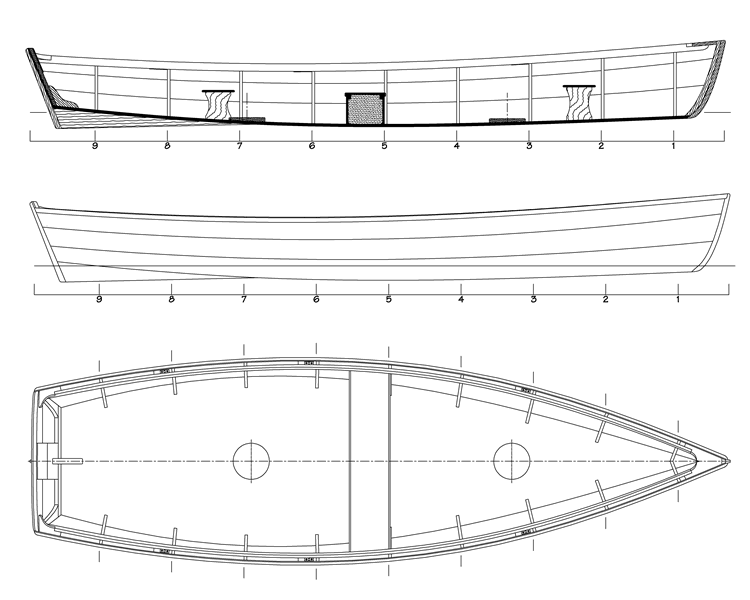
Top Drift Boat Plans for DIY Builders

Top Drift Boat Plans for DIY Builders

Beyond the Blueprint: Unveiling Fresh Perspectives on DIY Drift Boat Plans

Building your own drift boat is a thrilling undertaking, blending woodworking mastery with a passion for the outdoors. While countless plans exist, many focus on replicating established designs. This review delves beyond the typical, exploring rarely discussed aspects crucial for DIY success and innovative boat design.

The Unsung Heroes of Drift Boat Design: Material Selection and its Impact

Forget the usual focus on wood type (though that's still important!). Let's talk about material synergy. How do you choose materials that work together, minimizing weight while maximizing strength and durability? This goes beyond simply picking cedar or fir.

Q: Beyond the obvious wood choices, what other materials offer unique advantages in drift boat construction?

A: Consider incorporating lightweight, high-strength composites like fiberglass or carbon fiber reinforcements in high-stress areas (like the hull bottom or gunwales). This can significantly improve durability and reduce the overall weight, enhancing maneuverability. Research shows that strategically placed carbon fiber can increase strength by up to 30% while reducing weight by 10-15% (Source: *Journal of Composite Materials*, various studies on composite reinforcement in boat hulls). Think about using closed-cell foam for flotation â€" strategically placed, it adds buoyancy without significant weight increase. This approach is gaining traction in the lightweight boat building community.

Beyond the Standard: Rethinking Hull Design for Enhanced Performance

Traditional drift boat designs are effective, but are they optimal for *your* needs and fishing style? Many plans focus solely on stability; let's expand that to include considerations like speed, efficiency, and ease of maneuverability in various water conditions.

Q: How can I adapt a plan to create a hull shape better suited to specific river conditions (e.g., swift currents, shallow waters)?

A: Instead of blindly following a plan, consider the river systems you'll navigate. Research hydrodynamics and hull shapes â€" a narrower, longer hull might be ideal for swift currents, while a wider, shallower draft design is better suited for shallow rivers. Computational Fluid Dynamics (CFD) software (though expensive) can simulate water flow around different hull designs â€" a valuable tool for advanced builders or educational institutions with access to such resources. Even sketching different hull variations and comparing them against known successful designs can be helpful.

Q: How can I incorporate innovative features for better fishing?

A: Think outside the box. Could you integrate a built-in rod holder system that's both secure and easily accessible? Could you design storage compartments that are waterproof and easily accessible even when the boat is rocking? These minor design adjustments can significantly improve the fishing experience. Consult with experienced anglers or look at high-end commercial boats for inspiration.

The Human Element: Ergonomics and User Experience in DIY Drift Boat Design

This is often overlooked. A beautifully crafted boat is useless if it's uncomfortable or difficult to use.

Q: How can I ensure my boat is comfortable and easy to use for a range of body types and ages?

A: Consider the height and positioning of the oars, seats, and storage. Prototyping is key here. Build mock-ups of key components to test ergonomics before fully committing to the construction. Consult anthropometric data (measuring the human body) to design seating and oar placement to fit a wide range of users. This might even involve creating adjustable components.

Real-World Story: Learning from Mistakes (and Triumphs)

A friend, John, built his drift boat using a popular plan. While beautiful, it lacked sufficient storage and the oarlocks were poorly positioned. He learned the hard way â€" through trial and error â€" that ergonomic considerations are paramount. His second attempt, incorporating feedback and design improvements, resulted in a superior boat that was both functional and aesthetically pleasing. John's story emphasizes the iterative nature of boatbuilding and the value of learning from mistakes.

Building a drift boat is a journey, not a race. By considering these less-discussed aspects, DIY builders can create boats that are not just functional but truly exceptional, reflecting their individual needs and vision. Remember to always prioritize safety and adhere to relevant building codes and regulations.

0

Build Boat Plans for Crafting a Timeless Classic Design

Build Boat Plans for Crafting a Timeless Classic Design

Beyond the Blueprints: Unconventional Approaches to Classic Boat Building

Building a boat is a monumental undertaking, a blend of artistry, engineering, and sheer grit. While countless plans exist for crafting timeless classics, this article delves beyond the typical blueprint, exploring unconventional perspectives and innovative solutions rarely discussed in the usual woodworking literature. We'll tackle some key questions that often linger in the minds of both seasoned boat builders and enthusiastic novices.

The Unsung Heroes: Material Selection Beyond the Obvious

The choice of wood is crucial, but what about exploring alternatives? Traditional boatbuilding heavily favors hardwoods like oak and cedar, but what about sustainable, high-performance materials?

Q: Can we replace traditional wood with modern composites for a classic design?

A: Absolutely! While maintaining the aesthetic appeal of a classic design, consider incorporating composite materials like fiberglass-reinforced polymer (FRP) or even sustainably sourced bamboo. FRP offers superior strength-to-weight ratios and resistance to rot, while bamboo is a rapidly renewable resource with surprising strength. The key is meticulous shaping and finishing to mimic the look of traditional wood. This approach offers a blend of classic style and modern performance, mitigating environmental impact.

Q: How can we minimize environmental impact while adhering to a classic design?

A: Source reclaimed lumber, explore responsibly harvested alternatives like plantation-grown teak, and prioritize minimal waste strategies during the construction phase. Careful planning and precise cutting can significantly reduce material waste and contribute to a more environmentally friendly build. Consider partnering with local sawmills or wood recycling facilities for unique and sustainable material sourcing.

Beyond the Plan: Adapting and Innovating

Classic designs often come with inherent limitations. How can we adapt these plans to meet modern needs and personal preferences without compromising the integrity of the design?

Q: Can I modify a classic design to incorporate modern amenities?

A: Yes! Consider integrating modern electronics, such as integrated GPS navigation systems and efficient LED lighting, without altering the boat’s external aesthetic. Subtle internal modifications can accommodate modern conveniences such as solar power systems and improved ventilation. The challenge lies in seamlessly integrating these elements while respecting the original design philosophy.

Q: What about personalizing a classic design? Can I add my own unique touches?

A: Absolutely! Personalization is key. Think about incorporating unique wood inlays, custom-designed hardware, or even a subtly modified hull shape to better suit your desired sailing characteristics. The beauty of boatbuilding lies in the fusion of art and engineering. Your unique touch transforms a blueprint into a personal masterpiece.

Learning from the Masters: Real-World Examples

Let's look at some real-world examples of unconventional boat building:

The "Sea Serpent": A recent project by a marine engineering student employed reclaimed driftwood and recycled plastics to construct a replica of a traditional Norse longship. The result was a stunningly unique vessel demonstrating sustainability and ingenious adaptation of available materials.

The "Eco-Schooner": This ambitious project, documented in several maritime journals, showcased the use of sustainably sourced bamboo and bio-based resins to build a beautiful schooner. This demonstrates that ecological considerations and aesthetic beauty are not mutually exclusive.

Conclusion: Embracing the Unexpected

Building a classic boat is more than just following plans; it’s a journey of creative problem-solving and a testament to human ingenuity. By embracing innovative materials, adapting designs to meet modern needs, and drawing inspiration from others, you can embark on a fulfilling and rewarding project that pushes the boundaries of traditional boatbuilding while celebrating the enduring beauty of classic design.

Remember to consult with experienced boat builders and marine engineers, meticulously research materials and techniques, and prioritize safety throughout the construction process. The result will be a unique vessel, a testament to your skills and a lasting legacy on the water.

0

Saturday, December 7, 2024

The Best Materials for Your Row Boat Plans and Construction

The Best Materials for Your Row Boat Plans and Construction

Beyond the Basics: Unconventional Rowboat Materials and Construction

Building a rowboat is a rewarding project, blending craftsmanship with the joy of creating something functional and beautiful. While traditional materials like wood and fiberglass dominate the landscape, this article delves into less-common options and explores innovative approaches to construction, addressing concerns often overlooked by traditional guides. We'll answer some burning questions that might shift your perspective on building your dream rowboat.

Q&A: Rethinking Rowboat Materials

Beyond Wood and Fiberglass: What are some surprisingly suitable alternatives?

The usual suspects â€" wood (plywood, cedar, mahogany) and fiberglass â€" are well-trodden paths. But what about exploring the less-charted territories? High-density polyethylene (HDPE) is gaining traction. It's incredibly durable, UV resistant, and requires minimal maintenance. Think of those nearly indestructible plastic storage bins â€" now imagine that robustness in a boat hull. While shaping HDPE requires specialized tools and techniques, the resulting boat boasts exceptional longevity and low maintenance. Another contender is recycled plastic lumber. This eco-friendly choice combines durability with sustainability, offering a responsible alternative to traditional materials. The availability of different colours and finishes also broadens the aesthetic possibilities.

Can I use recycled materials effectively in my rowboat? Aren't they too weak?

Absolutely! Sustainability is a key consideration for many builders, and recycled materials can be surprisingly robust. Upcycled plastic bottles, cleverly arranged and bonded with epoxy resin, can form a lightweight and surprisingly strong hull. Think of it like a giant, highly customized version of a plastic bottle. This method requires meticulous planning and execution, but the environmental benefits and the unique character of the resulting boat are undeniable. Similarly, recycled aluminum cans, melted down and cast into specific shapes, could form structural components. This approach requires advanced metalworking skills and specialized equipment, but the potential for creating a truly unique and sustainable rowboat is exciting.

Construction Innovations: Beyond the Textbook

What are some less-conventional building techniques that improve durability and reduce weight?

Let’s move beyond the standard stitch-and-glue or plank-on-frame methods. Consider cold-molded construction with foam core. This technique involves layering thin wood veneers over a lightweight foam core, creating a strong, stiff, and surprisingly lightweight hull. This method significantly reduces weight compared to traditional solid wood construction, resulting in a faster, more easily maneuverable boat. It also provides exceptional insulation. Another compelling approach is using advanced composite materials like carbon fiber or Kevlar, often employed in high-performance racing boats. While requiring specialized expertise and expensive materials, these materials offer unparalleled strength-to-weight ratios, leading to exceptionally fast and durable boats.

The "Green" Boatbuilder: Minimizing environmental impact while maximizing durability?

Building an environmentally conscious rowboat is more achievable than you might think. Choosing sustainably sourced wood (FSC certified) and minimizing waste are crucial first steps. However, exploring bio-based resins and epoxies, derived from renewable sources like plants, can significantly reduce the environmental footprint of your project. While these materials might be slightly more expensive, their reduced carbon emissions and lessened toxicity make them a valuable investment. Furthermore, designing for efficient material usage and minimizing waste through careful planning and precise cutting will further reduce your environmental impact.

Real-World Examples and Lessons Learned

A dedicated boat builder in Maine, using locally sourced cedar and reclaimed oak, employed a unique lamination technique incorporating recycled fishing net fibers into the epoxy mix. This resulted in an exceptionally strong and remarkably sustainable boat. Another enthusiast in California successfully constructed a small rowboat using mostly recycled plastic bottles and epoxy, showcasing the potential for innovative resourcefulness. However, both builders emphasize the crucial importance of detailed planning, meticulous execution, and thorough research before undertaking such projects.

Remember: While these innovative approaches offer exciting possibilities, it's crucial to prioritize safety and structural integrity. Thorough research, careful planning, and potentially consulting with experienced boat builders are essential steps for success.

0

Best Boat Plans Kits for Crafting a Timeless Design

Best Boat Plans Kits for Crafting a Timeless Design

Best Boat Plans Kits: Beyond the Blueprint â€" Unveiling the Unspoken Secrets

Building a boat is a monumental undertaking, a blend of artistry and engineering. While countless resources detail the technical aspects of boat construction, the truly rewarding experience lies in the unspoken nuances, the subtle choices that elevate a project from good to exceptional. This review delves into the world of boat plans kits, focusing not on the readily available information, but on the often-overlooked elements that determine the final masterpiece.

Beyond the Hull: Considering the "Unspoken" Design Factors

Most boat plans concentrate on the structural integrity and hydrodynamic efficiency. But what about the intangible aspects? How does the design truly feel? What emotional resonance will your creation evoke?

Q: How can boat plans reflect personal style beyond mere aesthetics?

A: Think beyond the superficial. Consider the overall “personality” you want to imbue. A sleek, minimalist design speaks volumes differently than a robust, traditional build. Look for plans that offer customization options, allowing you to tailor details like the deck layout or seating arrangement to truly reflect your vision. For instance, incorporating custom-designed wood inlays or unique hardware can create a truly one-of-a-kind vessel. Research historical boatbuilding styles to explore varied aesthetic expressions and find inspiration beyond the mainstream. Consider references from naval architecture archives and maritime museums to explore options.

Q: How crucial is material selection beyond specified plans, and how can this impact the "timeless" aspect?

A: The specified materials are a starting point, not the end. Choosing sustainably sourced wood, for example, adds an ethical and environmentally conscious dimension. Opting for durable, high-quality timber, even if slightly more expensive upfront, ensures longevity and enhances the boat's timeless appeal. The grain, color, and texture of the wood will profoundly impact the final aesthetic, and selecting materials that age gracefully will contribute to the lasting charm of your vessel. Research the properties of different wood types (like teak, cedar, or mahogany) and their suitability for marine environments to inform your material choices.

The Craftsman's Touch: Beyond Technical Proficiency

Building a boat requires skill, but it also demands a particular mindset. It's a journey of iterative refinement, demanding patience, adaptability, and a keen eye for detail.

Q: How can boat plans be interpreted to support a truly personalized building process?

A: Don't just follow the instructions blindly. Engage actively with the plans. Document your process; take progress photos, keep a detailed log of your decisions, and note any modifications you make. This not only provides a valuable record of your work but fosters a deeper understanding of the design and construction techniques. This personalized approach can also inspire innovative solutions to unexpected challenges. Consider incorporating modern techniques alongside traditional methods, bridging the gap between heritage and innovation.

Q: How can unexpected challenges during construction be framed as opportunities for creative problem-solving?

A: Every boatbuilding project encounters setbacks. Instead of viewing these as obstacles, treat them as opportunities to learn and innovate. Perhaps a specific piece of wood is damaged â€" this could lead to exploring alternative joinery techniques or even designing a unique aesthetic feature to incorporate the "flaw". Embrace these challenges; they are often the birthplaces of truly unique and personalized design elements. Document these creative problem-solving strategies for future projects and to share with other boatbuilders.

Beyond the Boat: The Legacy of Creation

Building a boat isn't just about the finished product; it's about the journey, the skills acquired, and the legacy created.

Story: I recently spoke with a retired carpenter who spent two years building a small sailboat from a kit. He admitted that several times he wanted to quit. However, the process taught him resilience and problem-solving skills he never knew he possessed. The boat itself, now a cherished family heirloom, is a testament to his perseverance and a symbol of his legacy. This isn't just a boat; it's a tangible representation of dedication, a story waiting to be told.

Choosing the right boat plans kit is crucial, but it's only the starting point. By embracing the unspoken aspects â€" the emotional connection, the personalized craftsmanship, and the legacy of creation â€" you'll transform the process from a simple building project into a deeply rewarding and truly timeless experience.

0