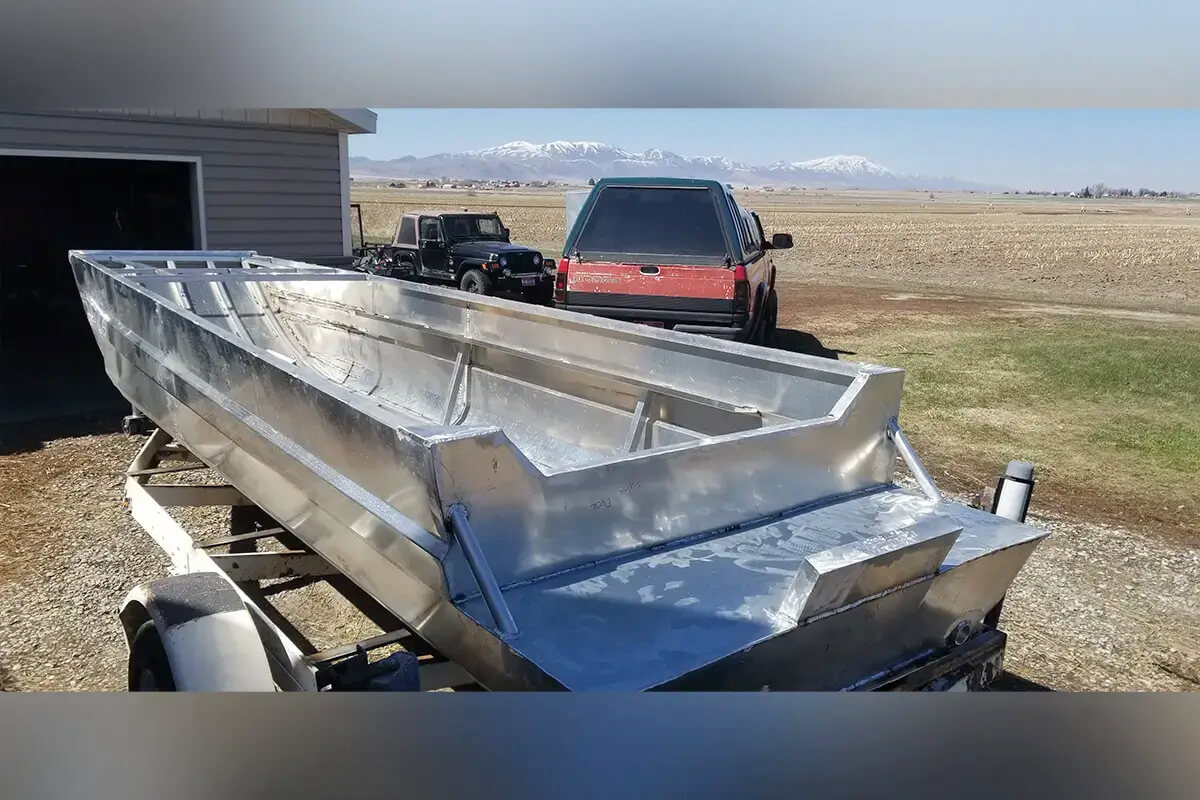
Beyond the Blueprint: Unveiling Hidden Potential in Aluminum Boat Construction
Building a boat is a testament to human ingenuity. "Creating a Sturdy Aluminum Boat with Proven Plans" (let's assume this is the book's title) provides a solid foundation, but true mastery lies in understanding the nuances beyond the standard instructions. This review delves into those often-overlooked aspects, exploring creative solutions and unexpected challenges for hobbyists, professionals, and anyone fascinated by the art of boat building.
The Unsung Heroes: Material Selection & its Impact
Most plans focus on the *what*, but we need to explore the *why* and *how*. Choosing the right aluminum alloy isn't just about following a specification; it's a crucial decision impacting everything from weight to corrosion resistance.
Q: How can I optimize aluminum selection beyond the book's recommendations?
A: Consider the intended use. A fishing boat in saltwater demands a higher-grade alloy (like 5086 or 6061-T6) with superior corrosion resistance than a freshwater recreational vessel. Research the specific properties of various alloys â€" their tensile strength, yield strength, and elongation â€" to tailor the choice to your exact needs. Online resources like the Aluminum Association website offer valuable data on alloy properties.
Q: What about sourcing? Are there unconventional options?
A: Instead of solely relying on traditional suppliers, explore the possibility of using recycled aluminum. This sustainable approach reduces environmental impact and potentially lowers costs. However, thorough testing is essential to guarantee the material's integrity and meet the required specifications.
Beyond the Weld: Exploring Advanced Joining Techniques
Welding is the backbone of aluminum boat construction, but limiting yourself to standard MIG or TIG welding ignores the potential of other techniques.
Q: What are some alternative joining methods that could enhance durability and reduce construction time?
A: Consider adhesive bonding, particularly for less structurally critical components. Modern structural adhesives offer impressive strength and can simplify the process, reducing the need for extensive welding in certain areas. Researching specific adhesive types suitable for marine environments is paramount. Also, explore techniques like riveting â€" a time-tested method offering another layer of strength and redundancy, especially beneficial in high-stress areas.
Q: Can advanced techniques improve the aesthetics of the finished product?
A: Absolutely! Precise techniques like orbital welding can produce exceptionally clean and visually appealing welds, enhancing the overall finish of your boat. Consider this alongside the possibilities of surface treatments like powder coating or anodizing for superior protection and a more professional look.
The Human Factor: Ergonomics and Design Refinements
A well-built boat needs to function well. This often gets lost in focusing on the technicalities.
Story Example:
I once met a boat builder who meticulously followed plans but ignored the ergonomic aspects. The resulting boat was structurally sound but uncomfortable to operate. The seating was poorly positioned, and the control layout was inefficient. The lesson? Don't let the plans dictate every aspect; human factors need consideration throughout the design process. Incorporate user feedback early on, even through mock-ups or simple prototypes, to optimize the boat's usability.
Conclusion: Embracing the Unconventional
While "Creating a Sturdy Aluminum Boat with Proven Plans" offers a valuable starting point, true innovation lies in pushing beyond the established norms. By exploring unconventional material choices, advanced joining techniques, and prioritizing ergonomic design, you can transform a standard project into a truly exceptional vessel. Remember, the best boat builders aren't just skilled technicians; they are creative problem-solvers who understand the interplay between materials, design, and the human experience.
0 comments:
Post a Comment
Note: Only a member of this blog may post a comment.