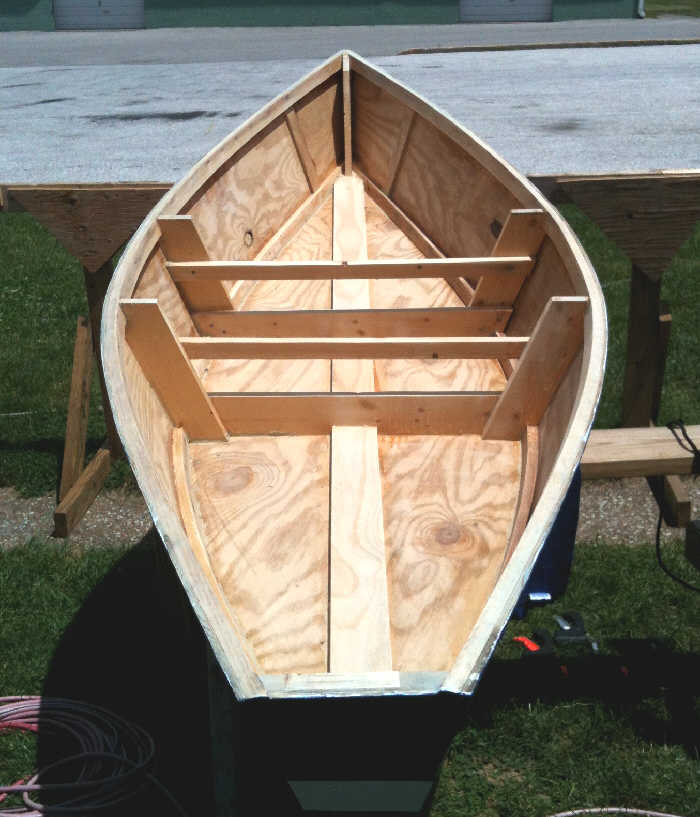
Beyond the Blueprint: Unveiling Hidden Potential in Free Boat Plans
The internet is awash with free boat plans, promising the dream of crafting your own vessel. But beyond the alluring images and seemingly straightforward instructions, lies a world of untapped potential and often-overlooked challenges. This article delves beyond the surface, addressing crucial questions rarely tackled in the standard "how-to" guides, offering fresh perspectives for hobbyists, builders, educators, and craftsmen alike.
The Unspoken Costs: Beyond Lumber and Resin
Many free plans focus solely on materials, neglecting the less tangible but equally crucial aspects. This often leads to frustration and project abandonment.
Q: What hidden costs should I factor into my free boat plan project?
A: Beyond the obvious materials, consider:
- Time investment: Accurately estimate the hours required. Free plans often lack detailed timelines, leading to unrealistic expectations.
- Tool acquisition/rental: Do you have the necessary tools? Renting specialized equipment can significantly impact the budget.
- Skill development: Are you adequately skilled? Consider investing in relevant courses or workshops if you lack experience.
- Material wastage: Free plans don't always optimize material usage. Factor in potential waste and higher material costs.
- Transportation & storage: Moving large pieces of lumber and storing the finished boat require space and possibly transportation costs.
Adapting Free Plans: Beyond "One Size Fits All"
Free plans often represent a single design. The real skill lies in adapting them to your needs, available materials, and skillset.
Q: How can I adapt a free boat plan to fit my specific needs and local conditions?
A: Don't view the plan as gospel. Consider:
- Material substitutions: Can you replace expensive hardwoods with more readily available alternatives? Understand the implications on strength and durability.
- Size adjustments: Scaling a plan up or down requires careful recalculation to maintain structural integrity. Consult a naval architect if unsure.
- Environmental considerations: Does the design suit your local climate and water conditions? Adapt for extreme weather or specific water types.
- Personalization: How can you add your own unique touch? Incorporate custom features while maintaining structural soundness.
The "Free" Factor: Assessing the True Value
The allure of "free" can be deceptive. What might appear as a cost saving could ultimately prove more expensive due to unforeseen challenges and rework.
Story: The Case of the "Free" Kayak
John, an enthusiastic hobbyist, downloaded a free kayak plan. He underestimated the time and skill required, leading to numerous setbacks. The final product, while functional, was far from the sleek kayak in the plan. He ultimately spent more time and money than he would have on a commercially available kit due to the numerous mistakes he had to correct.
Q: How can I evaluate the quality and suitability of a free boat plan?
A: Look for:
- Detailed specifications: Comprehensive dimensions, material lists, and construction techniques are crucial.
- Clear diagrams and illustrations: Ambiguous plans lead to errors and frustration.
- Author credibility: Research the designer's experience and reputation within the boating community.
- Community feedback: Search online forums for user reviews and experiences with the specific plan.
Building a boat from free plans can be a rewarding experience. However, a thoughtful approach considering the often-overlooked aspects, coupled with a willingness to adapt and learn, is essential for success. Don't let the lure of "free" overshadow the crucial considerations that can transform a potential nightmare into a triumphant nautical adventure.
0 comments:
Post a Comment
Note: Only a member of this blog may post a comment.