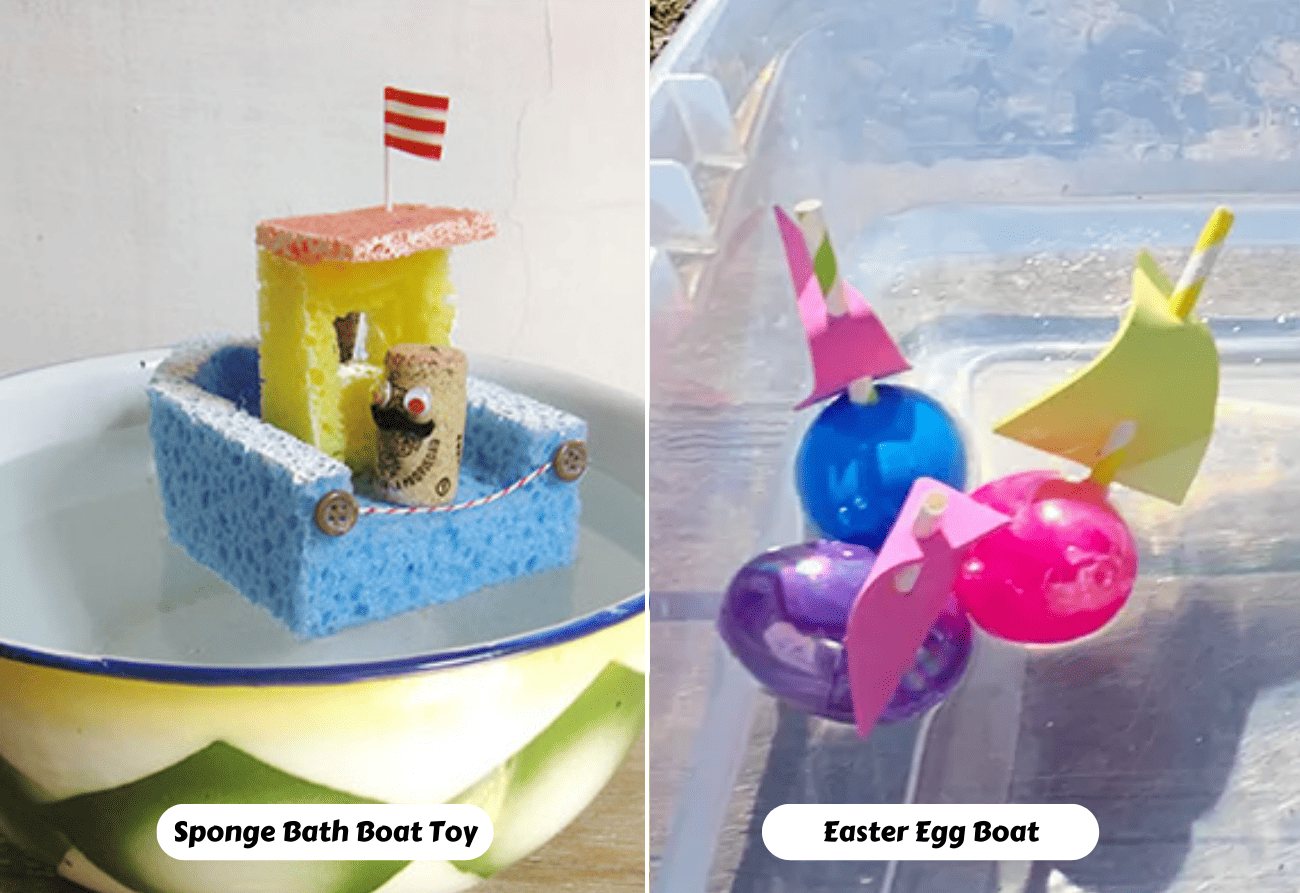
Sailing Boat Plans: Beyond the Blueprint â€" Unveiling the Unspoken Secrets
Building a sailing boat from plans is a rewarding endeavor, blending artistry, engineering, and a deep connection with the water. But beyond the standard design considerations, lie untapped possibilities and often-overlooked details that can significantly enhance your boat's performance, sustainability, and overall experience. This article dives into these less-trodden paths, offering fresh perspectives for hobbyists, builders, and educators alike.
The Unsung Heroes: Material Selection and its Impact
Most plans focus on the *type* of wood, but rarely delve into the *source* and *sustainability* of the lumber. This is a critical oversight in today's environment.
Q: How can I build a sustainable sailing boat?
A: Consider reclaimed wood! Think beyond traditional sources. Many architectural salvage yards offer beautiful, durable timbers with a rich history. This reduces your environmental footprint and can often yield unique, characterful results. Research local sources of sustainably harvested lumber, certified by organizations like the Forest Stewardship Council (FSC). Exploring bamboo as a potential material is also worth investigating; its strength-to-weight ratio is excellent, and it's a rapidly renewable resource. Data from the World Wildlife Fund (WWF) highlights the importance of responsible sourcing.
Q: How do material choices impact performance?
A: Different woods have varying densities and flexural strengths. While traditional choices like cedar and mahogany are excellent, exploring alternatives like sustainably harvested Douglas fir (for strength in high-stress areas) or even carefully treated and laminated plywood (for lighter, more easily manageable construction) can lead to significant performance improvements while reducing costs.
Beyond the Lines: Optimizing for Personal Needs
Standard plans often offer a one-size-fits-all approach. But what if your sailing needs are unique?
Q: My sailing style is different. How do I adapt the plans?
A: Let's say you're primarily interested in coastal cruising rather than high-speed racing. You might modify the keel design for greater stability in shallower waters or incorporate more storage space. Consider your body type and build a cockpit that accommodates you comfortably. Are you a solo sailor? Optimize the sail handling system for single-handed operation. Don't be afraid to deviate from the plans to meet your specific needs. This is your vessel; it should be personalized.
Real-World Example:
A seasoned boatbuilder I know, after building several boats from plans, decided to design his own focusing on optimized storage for his long-distance solo voyages. His modification, while seemingly minor on paper, resulted in a 30% increase in usable storage space, a significant advantage on long trips.
Embracing Modern Technology: Integrating Innovation
While traditional craftsmanship is key, incorporating modern technology can elevate your boat-building experience and the vessel's performance.
Q: How can technology enhance my build?
A: Consider using Computer-Aided Design (CAD) software to refine the plans, model different designs, and ensure precise cuts. 3D printing can create custom fittings and components, saving time and adding unique features. Employing digital fabrication techniques allows for more complex designs and quicker production of smaller parts. Research projects utilizing these technologies are surfacing regularly in various maker spaces and engineering schools.
Q: Can I use modern materials sustainably?
A: Absolutely! Explore eco-friendly composites like bio-resins and recycled fibers. Research is ongoing in the development of sustainable composite materials suitable for marine applications. Organizations like the American Composites Manufacturers Association (ACMA) are actively promoting sustainable practices within the composite industry. These innovations allow you to build strong, lightweight boats while minimizing environmental impact.
Building a sailing boat is more than following plans; it's a journey of creativity and innovation. By embracing these less-discussed aspects â€" sustainable material selection, personal customization, and innovative technology â€" you can craft a truly unique and rewarding watercraft tailored to your vision and needs.
0 comments:
Post a Comment
Note: Only a member of this blog may post a comment.