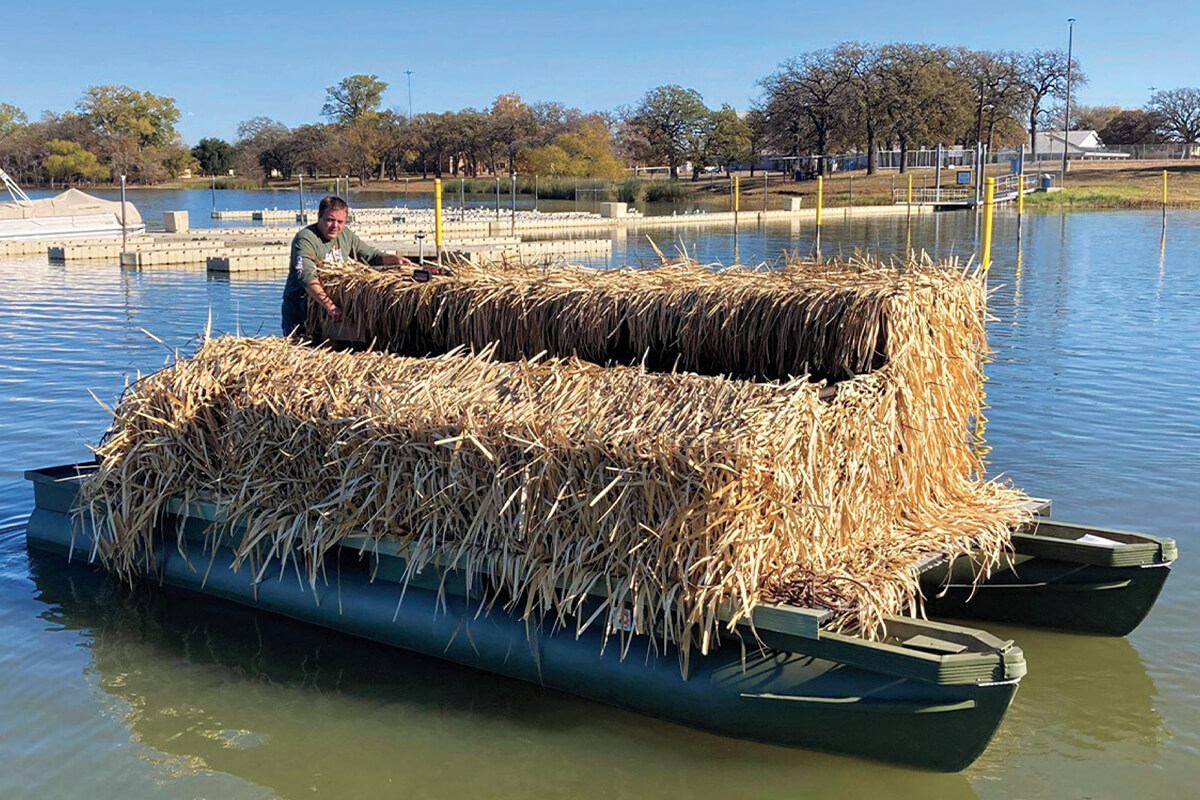
DIY Duck Boat Construction: A Beginner's Guide to Building a Versatile Watercraft
Duck boats, also known as jon boats, are versatile and durable watercraft perfect for a variety of activities, including duck hunting, fishing, and leisurely paddling. Building a duck boat yourself can be a rewarding and cost-effective project, allowing you to customize the design to meet your specific needs. This comprehensive guide provides a step-by-step process for constructing a duck boat, tailored for beginners with basic woodworking skills.
Choosing the Right Materials
The foundation of a sturdy and reliable duck boat lies in selecting the right materials. Here are some essential considerations:
Hull Material:
Aluminum is a popular choice for duck boat hulls due to its lightweight, corrosion-resistant nature, and affordability. However, if you prefer a more traditional look, consider using marine-grade plywood, which offers excellent durability and can be easily shaped.
Framing:
For the framing, select pressure-treated lumber for its resistance to moisture and rot. This is crucial for the structural integrity of your boat, especially when it's exposed to water.
Hardware:
Invest in high-quality marine-grade hardware, such as galvanized screws, bolts, and rivets. These components are designed to withstand the harsh conditions of water and prevent corrosion, ensuring long-lasting durability.
Other Materials:
You'll also need a variety of additional materials, including:
- Epoxy resin and fiberglass cloth for sealing and reinforcing the hull
- Paint or sealant for protecting the wood and aluminum
- Marine-grade foam for flotation and insulation
- Oars or a motor for propulsion
- Seats and other accessories as desired
Step 1: Designing Your Duck Boat
Before you start cutting wood, carefully plan out your duck boat design. This involves determining the dimensions, shape, and features that best suit your intended use.
Key Considerations:
- Length: A typical duck boat ranges from 12 to 16 feet in length. Choose a length that comfortably accommodates your desired number of passengers and gear.
- Width: A wider boat offers more stability, but a narrower design might be more maneuverable for navigating shallow waters.
- Depth: The depth of the boat determines how much freeboard (the distance between the waterline and the top of the boat) you have. Consider the size of the waves you'll encounter and your desired level of safety.
- Features: Think about essential features like seating, storage compartments, a casting deck, and even a built-in blind for hunting.
You can find free plans online or purchase pre-designed plans from reputable boat builders. Alternatively, you can create your own custom design using software like AutoCAD or SketchUp.
Step 2: Cutting and Assembling the Framing
Once your design is finalized, it's time to start building the framing. Here's a general process:
- Cut the framing lumber: Using a saw, precisely cut the lumber to the dimensions specified in your plans.
- Create the transom: The transom is the stern of the boat. Assemble it using pressure-treated lumber, creating a strong and watertight base for your boat.
- Construct the side frames: Cut and assemble the side frames according to your design, ensuring they are parallel and securely attached to the transom.
- Add the keel: The keel runs along the center of the boat's bottom, providing structural support. Attach it to the frames using screws or bolts.
- Install the ribs: The ribs add strength and shape to the hull. Install them across the boat at regular intervals, securing them to the frames and keel.
Step 3: Building the Hull
The hull is the exterior of the boat, and its construction involves several critical steps:
For Aluminum Hulls:
- Cut and shape the aluminum: Use shears or a metal brake to cut and bend the aluminum sheets according to your design.
- Attach the hull panels: Secure the aluminum panels to the framing using rivets or screws. Ensure a tight and watertight seal.
- Reinforce the seams: Reinforce the seams where the hull panels join by adding additional strips of aluminum or using epoxy and fiberglass cloth.
For Plywood Hulls:
- Cut the plywood panels: Cut the marine-grade plywood into the shape of your hull using a jigsaw or bandsaw.
- Attach the panels to the framing: Secure the plywood panels to the framing using screws or bolts.
- Seal the seams: Apply epoxy resin and fiberglass cloth to seal the seams between the plywood panels, creating a watertight and durable hull.
Step 4: Finishing Touches
With the hull built, it's time to add the finishing touches that make your duck boat functional and attractive:
- Add flotation: Install marine-grade foam inside the hull to provide flotation and insulation.
- Install seats and storage compartments: Construct seats and storage compartments according to your design.
- Paint or seal the hull: Protect the hull with a durable paint or sealant. Use a primer and multiple layers for optimal protection.
- Install hardware: Install oar locks, a motor mount, and other necessary hardware.
- Add accessories: Customize your boat with accessories like fishing rods, a cooler, and a duck hunting blind.
Step 5: Testing and Launching
Before launching your newly built duck boat, conduct a thorough inspection to ensure all connections are secure, and there are no leaks. Perform a water test in a controlled environment to check for any issues.
Once you're confident in your boat's waterworthiness, you're ready to launch it. Take your time and familiarize yourself with your new boat, its handling, and its capabilities. With a little practice, you'll be exploring the waterways with your custom-built duck boat in no time.
Safety First
Building and operating a duck boat requires a strong focus on safety. Always prioritize safety measures during construction and when on the water. Here are some essential safety tips:
- Wear a life jacket: Always wear a properly fitted life jacket while on the water.
- Check the weather: Be aware of weather conditions and avoid boating in strong winds or storms.
- Inform someone of your plans: Let someone know where you're going and when you expect to return.
- Carry a first-aid kit and emergency equipment: Be prepared for any unexpected situations.
Building a duck boat is a challenging but rewarding project. With careful planning, diligent construction, and adherence to safety guidelines, you'll enjoy years of fun and adventure on the water.
0 comments:
Post a Comment
Note: Only a member of this blog may post a comment.