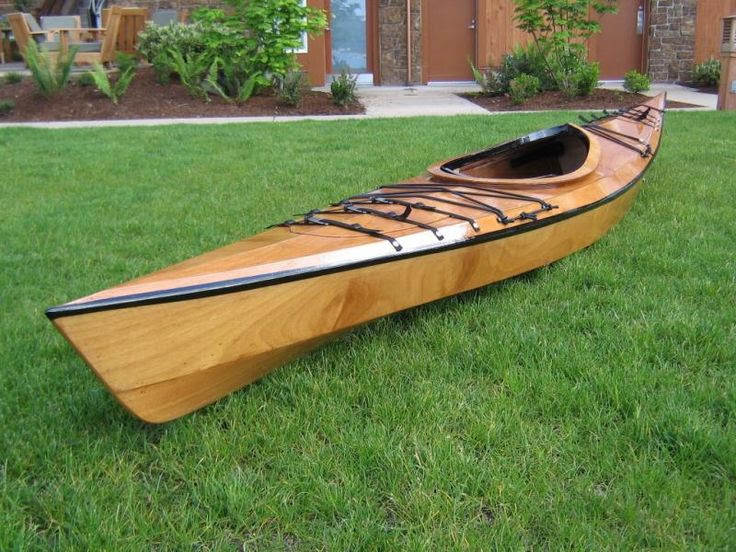
Building a Wooden Kayak Hull: A Beginner's Guide to Simple Techniques
Building a wooden kayak hull may seem daunting, but with simple techniques and a bit of patience, you can create a beautiful and functional watercraft. This guide will walk you through the process, from selecting materials to finishing your masterpiece.
Choosing Your Materials
The first step is selecting the right materials. For a beginner, consider using readily available and forgiving woods like cedar, pine, or spruce. These woods are lightweight and relatively easy to work with. You'll also need:
- Marine plywood for the hull's base
- Epoxy resin and hardener for bonding and sealing
- Fiberglass cloth for reinforcement
- Wood screws and glue for joining components
- Sandpaper in various grits for smoothing surfaces
Designing Your Kayak
Before you start cutting wood, design your kayak. There are many free plans online for basic kayak shapes. Choose one that suits your skill level and intended use. You can also find detailed plans from reputable sources like WoodenBoat magazine or the International Canoe and Kayak Association (ICCA).
Transfer your chosen design onto your plywood using a pencil and a ruler. You'll need to create a template that includes both the hull's shape and the required thickness for each section. This template will guide you as you cut the wood.
Building the Hull
Now, it's time to build the hull using your template. Begin by cutting the plywood into the required sections using a jigsaw or a circular saw. Remember to cut slightly larger than your template, leaving room for adjustments. You can use a combination of wood screws and epoxy to join the sections together, making sure each joint is securely bonded.
After the base is built, you can add additional layers of plywood to achieve the desired thickness. Use epoxy to bond these layers, ensuring they are flush with the previous layer. This will give your hull strength and rigidity.
Finishing Touches
Once the hull is assembled and fully dried, you can begin the finishing process.
Sanding
Sanding is crucial for creating a smooth surface and removing any imperfections. Start with a coarse grit sandpaper and gradually move to finer grits.
Applying Epoxy and Fiberglass
Epoxy resin provides a durable and waterproof finish. Apply a layer of epoxy to the entire hull, allowing it to cure fully. You can then reinforce the hull with fiberglass cloth, which adds strength and protection. Remember to use proper safety precautions when working with epoxy and fiberglass.
Painting
After the epoxy and fiberglass have cured, you can paint the hull. Use marine-grade paint to ensure your kayak can withstand the elements.
Adding the Deck and Other Features
You can then add a deck to your kayak using similar techniques as building the hull. You can also incorporate features like a cockpit opening, hatches, and seats.
Finishing and Launching
After the deck is finished, your kayak is ready for final touches. You can add embellishments like wood trim, handles, and paddle holders. Remember to seal all openings and ensure a watertight finish. Once your kayak is complete, launch it into the water and enjoy the fruits of your labor!
0 comments:
Post a Comment
Note: Only a member of this blog may post a comment.