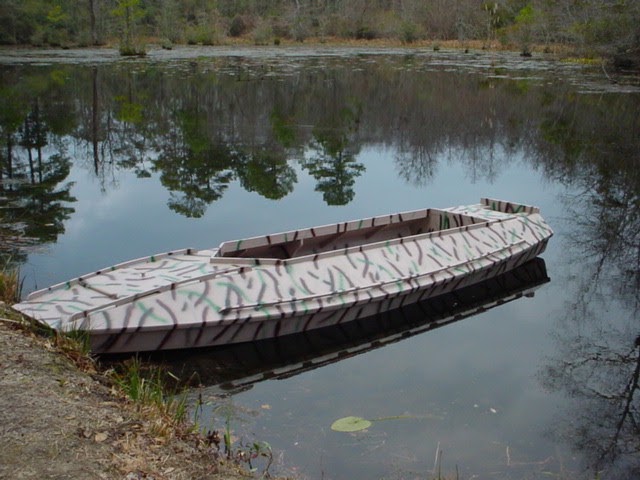
How to Choose the Right Wood for Your Duck Boat
Constructing a duck boat is a labor of love, a blend of traditional craftsmanship and modern ingenuity. The heart of this endeavor, however, lies in choosing the right wood. The material you select will determine the boat's durability, weight, and overall performance in the demanding environment of duck hunting. This guide provides a comprehensive overview of key wood considerations, helping you make an informed decision for your next duck boat project.
Factors to Consider When Choosing Wood for Your Duck Boat
Several factors contribute to the suitability of wood for duck boat construction. It's essential to consider the following:
Durability and Strength
Duck boats endure harsh conditions, battling waves, submerged logs, and the weight of hunters and gear. Therefore, durability and strength are paramount.
Weight
Portability and maneuverability are crucial for duck boats. Lighter woods are preferred, especially for smaller, solo-operated models. Weight also affects the boat's draft, impacting its ability to navigate shallow waters.
Water Resistance
Duck boats are exposed to constant water contact. Wood's natural resistance to water absorption and rot is essential for long-term durability.
Workability
Ease of cutting, shaping, and joining wood is important for the construction process. The chosen wood should be amenable to the techniques and tools at your disposal.
Cost
Wood prices vary significantly. Budget constraints should be considered when selecting a material, balancing cost with performance.
Popular Wood Choices for Duck Boats
Several wood types have earned a reputation for their suitability in duck boat construction. Here's a closer look at some of the most popular options:
Cedar
- Pros: Lightweight, naturally water-resistant, aromatic, works well with hand tools.
- Cons: Can be prone to denting and scratching, relatively expensive.
Cedar is a popular choice for its lightweight nature and naturally water-resistant qualities. Its aromatic scent also helps repel insects. However, cedar is relatively soft and can dent easily, making it less suitable for high-impact situations.
Redwood
- Pros: Durable, naturally water-resistant, attractive grain, good for exterior applications.
- Cons: Can be heavy, relatively expensive.
Redwood offers exceptional durability and water resistance, making it an excellent choice for boat construction. Its attractive grain pattern adds aesthetic appeal. However, redwood can be heavy and expensive.
Cypress
- Pros: Durable, naturally water-resistant, rot-resistant, good for exterior applications.
- Cons: Can be heavy, relatively expensive.
Cypress shares many of redwood's advantages, boasting impressive durability and resistance to rot. Its dense grain and strength make it ideal for structural components. However, it can be heavy and expensive.
Oak
- Pros: Extremely strong and durable, good for structural components, readily available.
- Cons: Heavy, can be difficult to work with, not naturally water-resistant.
Oak is known for its exceptional strength and durability, making it a suitable choice for structural elements in duck boats. However, its weight and lack of natural water resistance require additional treatment and care.
Plywood
- Pros: Lightweight, strong, often pre-treated for water resistance, readily available.
- Cons: Can be prone to delamination, not as aesthetically pleasing as solid wood.
Plywood is a versatile material, often employed in duck boat construction for its strength and lightweight nature. Marine-grade plywood is specifically treated for water resistance, enhancing its durability. However, plywood can be prone to delamination, reducing its longevity in harsh conditions.
Wood Preparation and Treatment
Regardless of the chosen wood, proper preparation and treatment are essential to ensure the boat's longevity. This includes:
Drying
Ensure wood is adequately dried to prevent warping, cracking, and mold growth. Kiln-dried wood is generally preferred, as it's thoroughly dried and stabilized.
Waterproofing
Treat wood with a suitable sealant or varnish to create a protective barrier against water absorption. Marine-grade products are recommended for their durability and resistance to UV damage.
Finishing
Finish the wood with paint or varnish to enhance its aesthetic appeal and protect against moisture and UV rays. Choose paints or varnishes specifically designed for exterior applications and marine environments.
Conclusion
Choosing the right wood for your duck boat is a crucial decision. By carefully considering the factors outlined above, you can select a material that meets your specific needs and ensures a durable, reliable, and enjoyable boating experience. Remember, proper preparation and treatment are essential for maximizing the lifespan of your duck boat and preserving its beauty for years to come.
0 comments:
Post a Comment
Note: Only a member of this blog may post a comment.