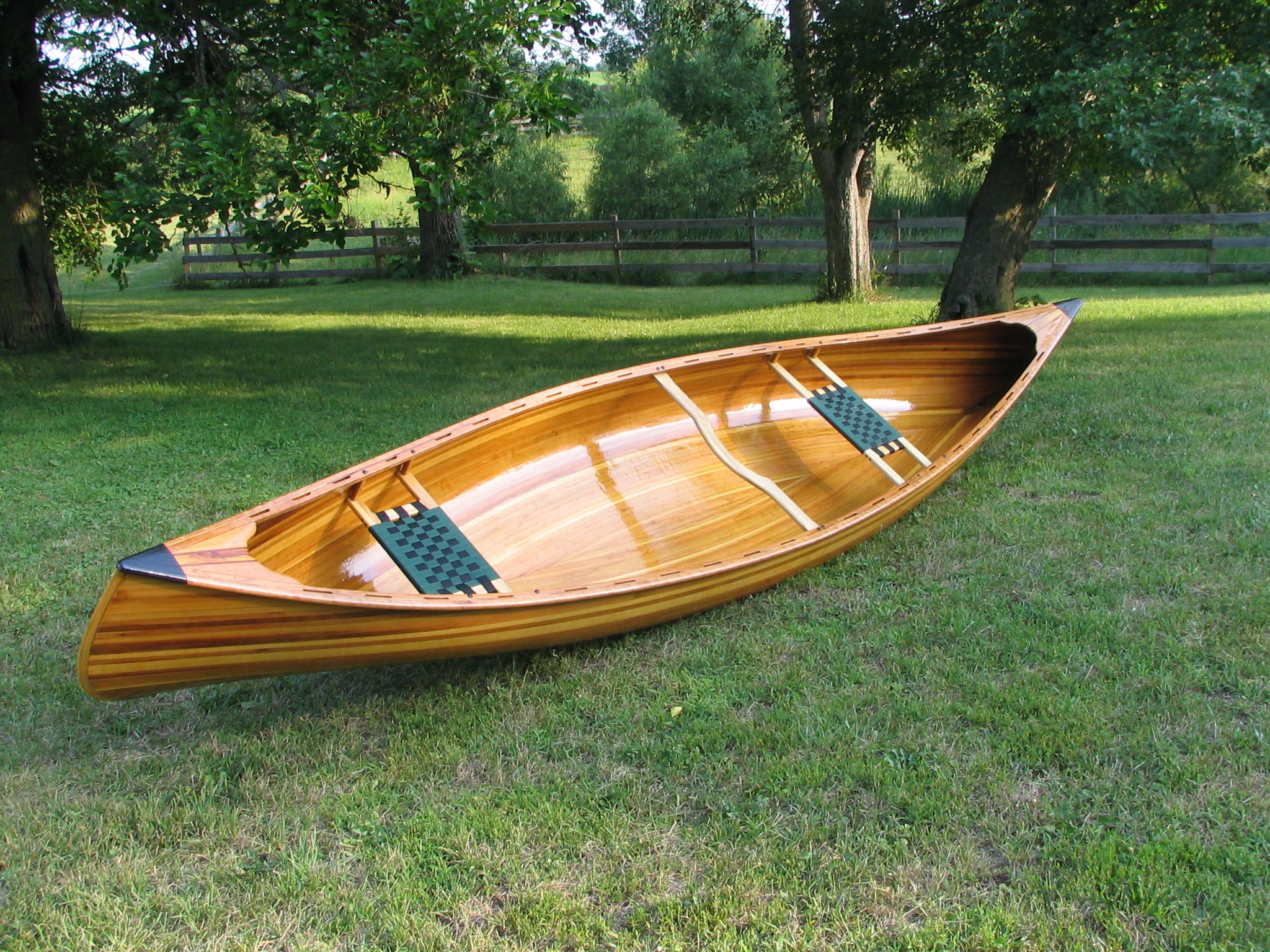
Building Your Own Wooden Canoe: A Journey of Craft and Connection
There's something deeply satisfying about building something with your own hands, especially something as beautiful and functional as a wooden canoe. The process is a journey of craftsmanship, patience, and connection with nature. But don't be intimidated â€" even if you're a complete beginner, you can build your own canoe with the help of free online plans and a good dose of determination.
Building a canoe from scratch isn't just about creating a boat, it's about creating a piece of history. You're following in the footsteps of generations of skilled craftspeople who've built canoes for centuries, using time-tested methods and materials. It's an opportunity to connect with a tradition that predates modern technology and to create something truly unique and personal.
Finding the Right Canoe Plans
Before you start chopping wood and hammering nails, you'll need a good set of plans. There are many free canoe plans available online, from simple designs for beginners to more advanced plans for experienced builders. Here are some resources you might find helpful:
- The WoodenBoat Magazine website offers a selection of free canoe plans, including designs from renowned boat builders. https://www.woodenboat.com/design-plans/canoes
- The Chesapeake Light Craft website has a few free canoe plans, including a traditional Chesapeake Bay skipjack. https://www.clcboats.com/free-boat-plans
- The Amateur Boatbuilding website features a forum where you can connect with other boat builders and find free plans. https://www.amateurboatbuilding.com/
- The Duckworks Boatbuilding website has a wide range of free plans, including canoes. https://www.duckworksmagazine.com/plans/
When choosing plans, consider the following factors:
- Experience level: Choose a plan that matches your skill level. Don't bite off more than you can chew!
- Size and style: Decide what kind of canoe you want, considering your intended use and the size you need.
- Materials: Some plans specify specific wood types, while others offer more flexibility. Make sure you can source the necessary materials.
Gathering Your Materials
Once you've chosen your plans, it's time to gather your materials. You'll need wood, tools, and some basic supplies. Here's a general list:
- Wood: The plans will specify the type and quantity of wood required. Common canoe woods include cedar, spruce, and pine. Look for clear, straight-grained boards that are free of knots and defects.
- Boatbuilding epoxy: This will bond the wood together and provide a waterproof seal.
- Fiberglass cloth: Used to reinforce the hull and prevent leaks.
- Wood screws: For assembling the frame and attaching other parts.
- Finishing materials: These include paint, varnish, or oil to protect the wood from the elements.
- Tools: You'll need a variety of tools, including saws, hammers, planes, chisels, clamps, and a drill.
You can find most of these materials at local lumberyards, hardware stores, and online retailers. Don't hesitate to ask for help at the store if you're unsure what you need.
Setting Up Your Workspace
Building a canoe requires a dedicated workspace with enough room for both the boat and your tools. Ideally, you should have a dry, well-ventilated area, preferably a garage or shed. You'll need to set up some sort of workbench or sawhorses for working on the boat.
Consider investing in a sturdy worktable that can support the weight of the canoe while you're building it. You'll also need to think about lighting and ventilation. Good lighting will make it easier to see what you're doing, and proper ventilation will help to keep the air clean and free of dust.
Building the Frame
The frame is the skeleton of the canoe and sets the shape and strength of the hull. It's typically made of wooden ribs called “frames†that are connected by long pieces of wood called “stems†and “keelsonsâ€.
The process of building the frame usually involves:
- Cutting the wood: Precisely cut the wood to the dimensions specified in the plans.
- Assembling the frames: Connect the frames to the stems and keelsons using wood screws or epoxy.
- Shaping the frame: Once assembled, use a combination of tools to shape the frame to the desired curvature.
- Adding the gunwales: These are the top rails of the canoe that give it its structural support.
Take your time and double-check your measurements to ensure that the frame is accurate. This is a crucial step that will affect the overall shape and integrity of the canoe.
Planking the Hull
Once the frame is complete, you'll start planking the hull, which is the outer skin of the canoe. This involves carefully fitting and attaching planks of wood to the frame.
The process of planking typically involves:
- Choosing the wood: Select planks that are straight-grained, free of knots and defects, and are of the appropriate thickness.
- Cutting the planks: Cut the planks to the correct length and shape to fit the frame.
- Attaching the planks: Carefully attach the planks to the frame using wood screws or epoxy.
- Smoothing the hull: Once the planks are attached, use a plane or scraper to smooth out any rough edges and create a fair hull.
Planking takes time and patience, but it's a rewarding process that transforms the frame into a solid, watertight hull.
Adding the Finishing Touches
After the hull is planked and smoothed, it's time to add the finishing touches. These include adding the seats, decks, and other features you desire.
Some common finishing touches include:
- Adding seats: Install the seats, ensuring they are comfortable and securely attached.
- Creating a deck: If your design includes a deck, construct it and attach it to the hull.
- Installing hardware: Attach any necessary hardware, such as oarlocks, thwarts, and carrying handles.
Before you launch your canoe, you'll need to protect the wood from the elements. You can apply paint, varnish, or oil to the hull. Choose a finish that's suitable for the type of wood you used and the environment your canoe will be in.
Launching Your New Canoe
Finally, the moment you've been waiting for â€" launching your new canoe! Take a deep breath and enjoy the satisfaction of seeing your hard work come to fruition.
Before you launch, double-check that your canoe is watertight and that all the hardware is securely fastened. Once you're on the water, take it easy at first and gradually build up your speed. Enjoy the feeling of gliding across the water in a boat you built yourself!
Commonly Asked Questions
Here are some common questions about building a wooden canoe:
- How long does it take to build a canoe? The time it takes to build a canoe varies depending on the design, your experience level, and the amount of time you can dedicate to the project. It can take anywhere from a few months to a year or more.
- How much does it cost to build a canoe? The cost of building a canoe can vary depending on the materials used, the complexity of the design, and the availability of tools. However, it's generally less expensive to build your own canoe than to buy a new one.
- What kind of wood should I use? The type of wood you use will depend on the specific plans you're following and the availability of wood in your area. Common canoe woods include cedar, spruce, and pine. If you can, source your wood locally.
- Do I need any special tools? You'll need a variety of hand tools, including saws, hammers, planes, chisels, clamps, and a drill. You might also need power tools, such as a jigsaw and a sander, but they're not strictly necessary.
- Can I build a canoe by myself? While it's possible to build a canoe by yourself, it's often helpful to have a friend or family member assist you, especially with the heavier lifting and tasks that require two hands.
Building your own wooden canoe can be a challenging but rewarding journey. With careful planning, a little patience, and the right resources, you can create a beautiful and functional piece of art that will last for years to come. So grab your tools, choose your plans, and get ready to embark on this exciting adventure!
0 comments:
Post a Comment
Note: Only a member of this blog may post a comment.