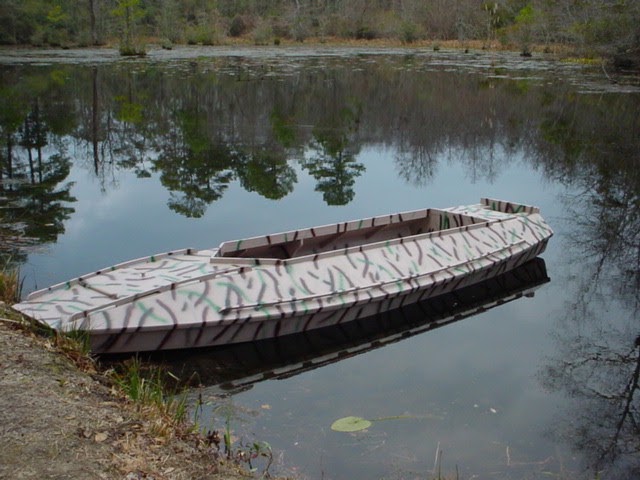
Constructing a Hybrid Duck Boat: A Dual-Purpose Design
Imagine a vessel that seamlessly transitions from gliding across serene waters to navigating rugged terrains. This is the essence of a hybrid duck boat, a unique creation that blends the practicality of a boat with the versatility of a land vehicle. This article guides you through the construction process of a hybrid duck boat, equipping you with the knowledge to build your own dual-purpose watercraft.
Planning Your Hybrid Duck Boat
Before embarking on the construction, meticulously plan your hybrid duck boat to ensure it meets your specific needs and preferences. Consider the following factors:
Purpose and Usage:
Determine the primary purpose of your hybrid duck boat. Will it be used for fishing, hunting, recreational cruising, or a combination of these activities? Understanding your intended usage will help you decide on the size, features, and design elements of your boat.
Size and Capacity:
Select a size that comfortably accommodates you, your passengers, and any necessary equipment. Consider the weight capacity and ensure it can handle the load without compromising stability.
Propulsion System:
Opt for a reliable propulsion system that provides efficient power both on water and land. Common options include outboard motors, jet drives, and track systems. Research different systems and their advantages and disadvantages to find the best fit for your project.
Materials:
Choose durable and weather-resistant materials for the hull and frame. Aluminum, fiberglass, and high-density polyethylene are popular choices due to their strength and corrosion resistance. Consider the weight, cost, and ease of working with different materials when making your selection.
Construction Process
Once your plans are finalized, you can begin the construction process. Here's a step-by-step guide:
Hull Construction:
Begin by building the hull, which is the primary structure of the boat. Use your chosen materials to create a watertight, buoyant hull. Ensure proper reinforcement and bracing for structural integrity.
Frame and Deck Construction:
Construct a sturdy frame that supports the deck and provides a base for the land-based components. The frame should be designed to handle the weight and stresses of both water and land travel.
Propulsion System Installation:
Install your chosen propulsion system, ensuring proper alignment and secure mounting. Connect the engine or motor to the hull and test its functionality.
Steering and Control Systems:
Install the steering system and control mechanisms for both water and land navigation. Use high-quality components that are designed for the specific demands of a hybrid duck boat.
Wheel or Track System:
Integrate a retractable wheel or track system for land travel. Ensure the system is securely mounted and can be easily deployed and retracted.
Finishing Touches:
Once the core structure is complete, add finishing touches like seating, storage compartments, lighting, and any other desired features. Pay attention to detail and functionality, ensuring a comfortable and user-friendly experience.
Safety Considerations
Safety is paramount when operating a hybrid duck boat. Follow these safety guidelines:
- Always wear a properly fitted life jacket when on the water.
- Ensure the boat is properly equipped with safety gear, such as a fire extinguisher, first aid kit, and navigation lights.
- Check the weather conditions before embarking on any trip.
- Be aware of your surroundings and other boaters.
- Avoid operating the boat at high speeds or in rough waters.
- Never operate the boat under the influence of alcohol or drugs.
Constructing a hybrid duck boat is a challenging yet rewarding project. By carefully planning, selecting appropriate materials, and following safe practices, you can create a versatile and reliable vessel for exploring both water and land.
0 comments:
Post a Comment
Note: Only a member of this blog may post a comment.